How a Modern Web Portal Simplifies Secure Access to Analytical Tools and Account Management for Active Day Traders
Unified Dashboard for Real-Time Data and Trading
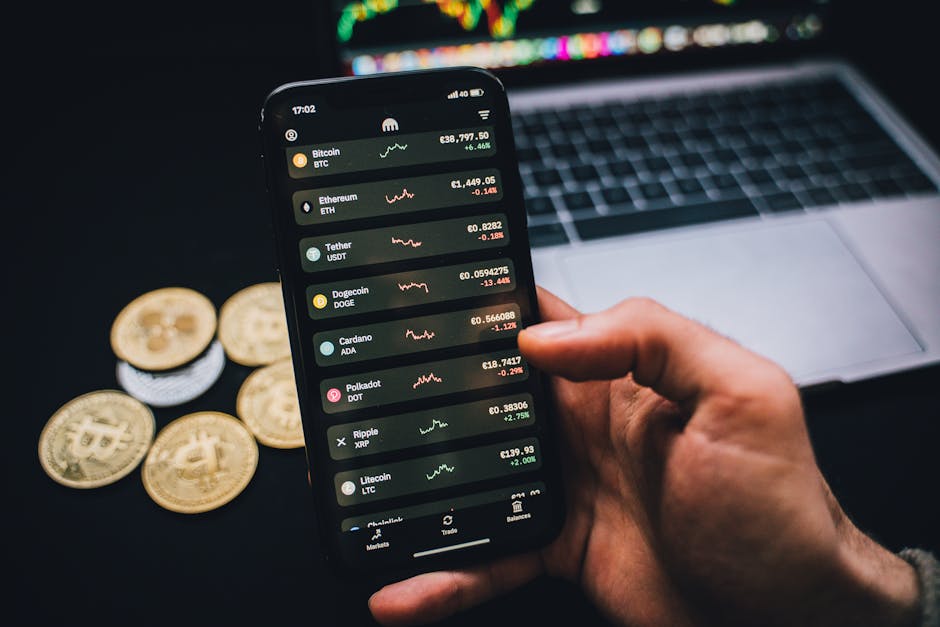
Active day traders juggle multiple platforms for charts, news, order execution, and portfolio tracking. A modern web portal consolidates these into a single, authenticated interface. Instead of switching between a brokerage app and separate analytical tools, traders access everything from one page. This reduces latency in decision-making and eliminates the risk of credential exposure from using third-party sites. For example, a trader can view live order book data, apply technical indicators, and execute trades without leaving the portal. The integration of a digital currency site further expands access to crypto markets, allowing seamless switching between equities and digital assets within the same secure session.
Security is built into the core architecture. Multi-factor authentication (MFA) and session timeouts are standard. The portal uses encrypted channels (HTTPS and WebSocket TLS) for all data transmission. Account management features like changing passwords, setting withdrawal limits, or viewing trade history are protected by granular permissions. Traders can also set up API keys for automated trading bots, with the portal handling key rotation and audit logs.
Streamlined Analytical Tools Without Local Installation
Cloud-Based Processing and Storage
Day traders rely on heavy computational tools for backtesting, volatility analysis, and risk metrics. A web portal hosts these tools on the server side, meaning no local software installation is required. The trader’s device only needs a modern browser. This approach reduces hardware costs and ensures that analytical models are always running on the latest data. For instance, a trader can run a Monte Carlo simulation on a portfolio of 50 stocks and receive results in seconds, even on a low-power laptop.
Customizable Workspaces and Alerts
Modern portals allow traders to build custom dashboards with drag-and-drop widgets. They can set price alerts based on technical patterns (e.g., moving average crossovers) or volume spikes. These alerts are pushed via browser notifications or email. The portal also stores historical chart layouts, so a trader can instantly recall a specific setup from a previous session. This eliminates the need to manually reconfigure tools every day.
Centralized Account Management with Audit Trails
Managing multiple accounts-spot, margin, futures-across different exchanges is a common pain point. A modern web portal links these accounts under a single login. Traders can view aggregated balances, margin utilization, and open positions. Withdrawal requests are processed through a unified interface, with the portal enforcing withdrawal whitelists and approval workflows. Every action, from a password change to a trade execution, is logged in an immutable audit trail. This helps traders comply with tax reporting and internal risk policies.
The portal also provides role-based access for teams. A prop trading firm can grant a junior trader view-only access to certain tools while allowing a senior trader to execute orders. Account recovery is streamlined via pre-approved backup codes or biometric verification, reducing downtime during critical market hours.
Performance Optimization and Low Latency
Latency is the enemy of a day trader. Web portals optimized for speed use content delivery networks (CDNs) to serve static assets and WebSocket connections for live data. Order routing happens directly from the portal’s servers to the exchange’s API, bypassing the trader’s local internet. Many portals offer colocation options for institutional traders, where the portal’s servers are physically close to exchange matching engines. This reduces round-trip time to under a millisecond. Additionally, the portal can compress data streams, saving bandwidth and improving responsiveness on mobile networks.
FAQ:
How does a web portal protect against account takeover?
It enforces MFA, device fingerprinting, and IP whitelisting. Suspicious login attempts trigger a forced password reset and temporary account lock.
Can I run custom trading algorithms through the portal?
Yes, most portals provide a sandboxed environment to backtest and deploy algorithms using API keys. The portal logs all algorithm activity for review.
Is my data encrypted at rest?
Yes, all stored data, including trade logs and personal information, is encrypted using AES-256. The portal also supports encrypted backups.
What happens if my internet connection drops?
The portal maintains a server-side session state. Once reconnected, the dashboard refreshes automatically. Open orders remain active on the exchange.
Does the portal support mobile devices?
Yes, the responsive design works on smartphones and tablets. Mobile-specific features include biometric login and simplified order entry.
Reviews
David K., NY
I used to run five different apps. Now I do everything from one portal. The analytics are faster and I don’t worry about security gaps.
Maria L., London
The audit trail saved me during a tax audit. I could prove every trade and withdrawal. The MFA setup is also very smooth.
Alex T., Singapore
Low latency is critical for me. This portal’s WebSocket connection is rock-solid. I’ve seen a noticeable drop in slippage on fast moves.